Paint Damage Warning Signs Drivers Shouldn’t Ignore
Most drivers will not realize paint damage until they face costly repairs. That would be wrong. This is because paint issues tend to arise with minor warning signs. When you spot them at an early age, you can safeguard your car’s appearance.
A perfect paint finish doesn’t just make your car look good on the road. It also helps preserve the metal beneath. This is why Car Body Repair can be initiated after checking the paint first. Here are warning signs drivers shouldn’t ignore:
- Fading Away in One Small Spot
When any section of your car is not as bright as the rest, do not brush it off. Cracks in the clear coat that form uneven fading usually signify that the clear coat is weakening in that area. Old age, heat, and sun may accelerate this issue.
Daily, little tiaras soon grow big. That area of weakness gradually extends. Plus, the paint appears flat and worn. It may also cause your car to appear newer than it is.
- Small Cracks near the Hood or Doors
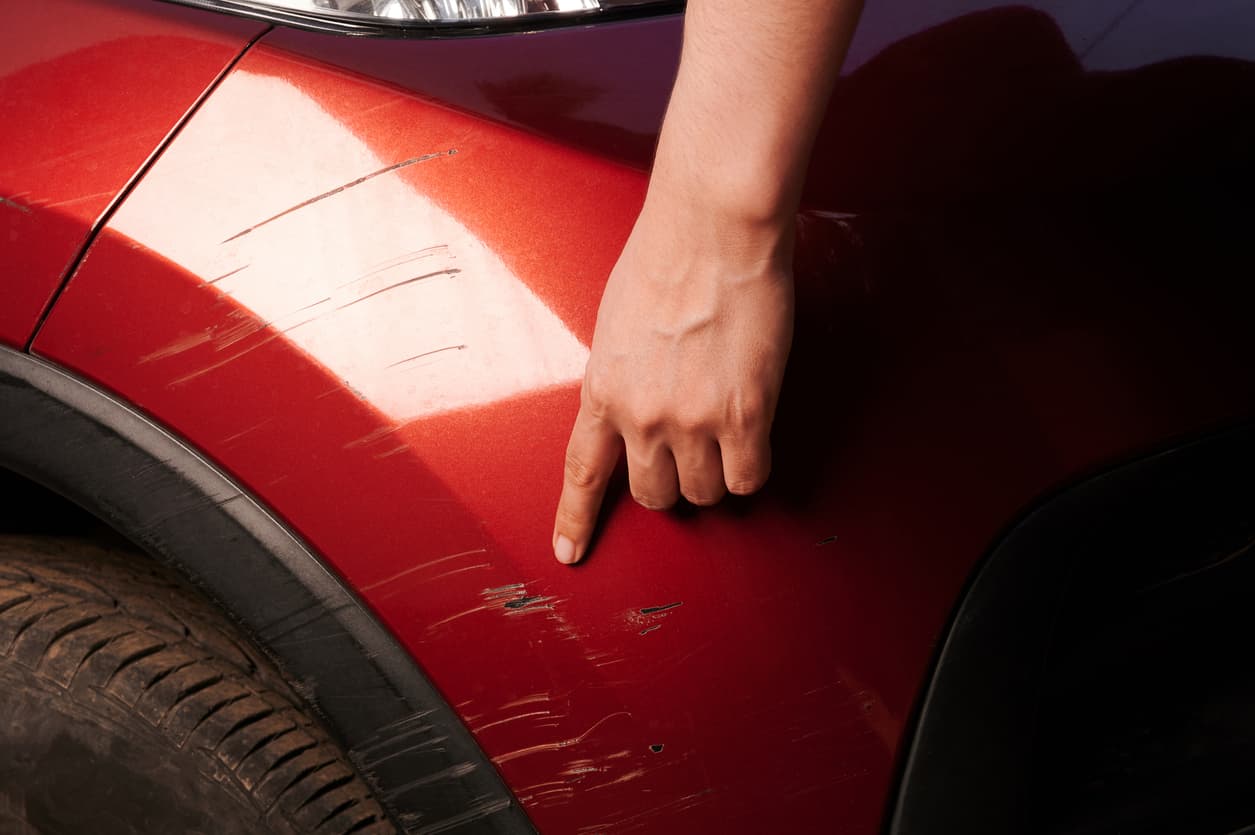
It is easy to overlook small cracks in the paint until you scrutinize it in daylight. They frequently appear around the edges of panels, on the hood, or near door handles. These cracks may occur following exposure to heat, duplicate repairs, or ineffective paint bonding.
Chipped paint provides a route to the underlying layer, allowing moisture to come into contact with it. When that occurs, the surface is weaker, and more damage ensues. A cosmetic problem that seems small can turn into peeling or rust.
- Blisters or Bubbles under the Paint
When paint bubbles appear, it is a serious warning as it normally signals the presence of something beneath the surface. The paint may be raised up by moisture, air, or contamination, creating small raised dots. They can even burst open the paint, leaving bare metal exposed, should you disregard them.
Mostly, bubbling paint alludes to water being where it shouldn’t be or to a poor prior repair. They are, in most instances, the first indications of more serious body disturbances. So, always do the following:
- Locate additional bubbles around wheel wells and door bottoms.
- Do not squeeze or pinch the part.
- Rough Texture That Was Not There Before
Feel your hand softly across an unclean car panel and pay attention to the touch. Should the paint suddenly become rough, gritty, or uneven, there may be something amiss. Adverse effects may be the accumulation of dirt, resulting in a certain texture, which may be due to paint contamination or initial damage.
Such a change may occur after exposure to road salt, tree sap, bird droppings, or chemicals. And the harmful can rest upon the paint and gradually chew away the finish. If the rugged area persists after the wash, it requires further examination.
- Incompatible Color between Panels
When a door or fender appears a bit different than the rest of the automobile, be suspicious. The misalignment of colors may indicate an aged accident case, a re-painting job, or concealed marks. It does not necessarily indicate a new issue, but may indicate inferior paint quality.
Mismatched paint can age any faster than the original finish. It may also wear, crack, or peel earlier since the materials or procedure were not correct. It is worth checking to prevent the damage at an earlier stage.
- Water Marks That Don’t Wash Off
Certain watermarks are removed by a normal wash, whereas recalcitrant ones are distinct. When left on the paint and appearing carved into the material, minerals could have already eroded the finish. The marks can bite deeper over time, as hard water, heat, and sun can contribute to them.
Etching corrodes the upper layer, making the paint more vulnerable to future damage. It can also cause dull circles that damage the car’s overall appearance. The finish might require treatment if they are not removed during washing.
- Damage Along the Lower Sides of the Car
The bottom of a car is subjected to continuous impacts of gravel, mud, salt, and water. This is one reason why paint wear in areas of the rocker panel, wheel arch, and lower door should be given special consideration. Such places tend to exhibit issues earlier than the rest of the automobile does.
These points may easily acquire small scrapes that can quickly turn into rust. They are not easily noticed by drivers. This is because they accumulate dirt. During washing, a quick inspection can help you spot trouble early.
The bottom line is that damage to paint is not necessarily noteworthy or loud. It typically begins with minor indications such as small rust spots. When these warning signs are detected early, you stand a better chance of preventing more costly repairs.