Why Cockroach Infestations in Automotive Workshops Escalate Before Anyone Notices Them
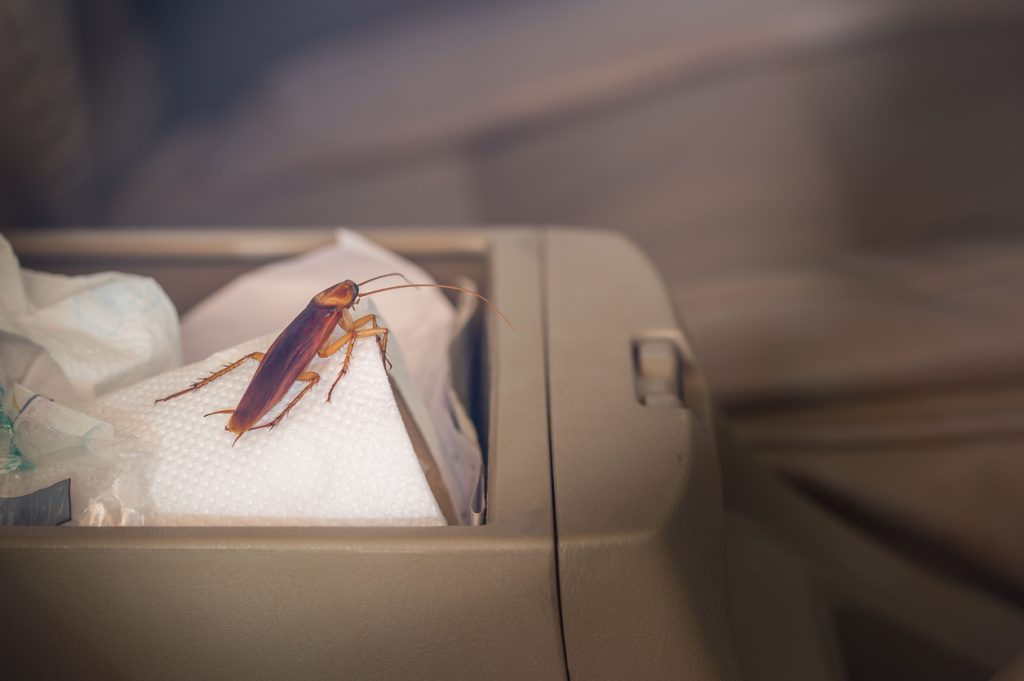
Automotive workshops are busy environments filled with tools, equipment, vehicles, and constant activity. Because of this, most workshop owners focus heavily on productivity, safety, and vehicle repair. What often goes unnoticed, however, is how easily pest problems can develop in these environments, particularly cockroach infestations.
Unlike pests that are immediately visible, cockroaches are secretive insects that prefer to remain hidden and are primarily active at night. By the time technicians begin seeing them during the day, the infestation has usually already grown into a serious problem. This is why many workshops only discover the issue after the population has expanded significantly.
Understanding why infestations escalate quickly in mechanical environments is essential for preventing costly disruptions. Effective cockroach control in workshops relies on early detection, proper sanitation, and professional pest management strategies designed for commercial environments.
Why Automotive Workshops Attract Cockroaches
Automotive workshops unintentionally create the perfect conditions for cockroaches to survive and multiply. Like most pests, cockroaches search for three essential elements: food, moisture, and shelter. Workshops often provide all three without anyone realising it.
Food sources may not seem obvious, but they are commonly present in small amounts throughout the workspace. Technicians may leave takeaway containers, crumbs, or drink spills in break areas or workstations. Even tiny food residues can sustain cockroach populations for long periods.
Moisture is another major factor that attracts these pests. Water from leaking pipes, condensation from cooling systems, or fluid spills near vehicles can create damp conditions that cockroaches depend on for survival. Because these insects need moisture regularly, even minor leaks or wet areas can encourage pest activity.
Shelter is the third key element. Cockroaches prefer dark and undisturbed spaces where they can hide during the day. Storage rooms, stacked boxes, tool cabinets, and unused vehicle parts provide ideal hiding places where colonies can develop without being noticed. Since these conditions are common in many mechanical workshops, infestations can begin quietly and expand rapidly.
The Hidden Areas Where Infestations Often Start
Cockroaches rarely appear in open workspaces during the early stages of an infestation. Instead, they establish themselves in concealed areas where human activity is limited.
Typical starting points include areas behind tool cabinets, inside cardboard packaging, beneath sinks, and around plumbing connections. Waste storage zones and break room appliances can also attract pest activity if food scraps or moisture are present.
These locations offer the darkness and protection cockroaches prefer when building nests. Over time, they reproduce quickly and expand their colony size. Cockroaches are known for their rapid breeding cycle. A single female can produce several egg cases during her lifetime, and each case may contain dozens of eggs. When these nests remain hidden, the population can grow rapidly before anyone becomes aware of the problem.
How Vehicle Movement Contributes to Pest Spread
One factor that makes automotive workshops different from many other commercial spaces is the constant movement of vehicles. Cars arriving for servicing can sometimes bring pests into the workshop environment without anyone realising it.
Cockroaches may hide inside vehicles, especially when food crumbs, rubbish, or moisture are present. Areas such as floor mats, storage compartments, and seat crevices can provide temporary shelter for these pests.
When a vehicle enters the workshop for repairs or maintenance, cockroaches may leave the car and move into nearby storage spaces, equipment rooms, or structural gaps within the building.
For businesses such as a car mechanic in Newcastle, maintaining strict cleanliness and inspection routines is important to prevent pests from spreading between vehicles and the workshop environment.
Why Infestations Often Go Unnoticed
Cockroach infestations can remain undetected for long periods because of the insect’s behaviour. Cockroaches are nocturnal pests, meaning they prefer to search for food and water at night when lights are off, and human activity is minimal.
During the day, they hide inside cracks, crevices, storage spaces, and structural gaps within walls or equipment. Because most workshops operate during daylight hours, technicians may rarely see cockroaches when they are active.
Workshops can also contain clutter such as cardboard packaging, spare parts, and storage containers. These materials create countless hiding spots that allow pests to remain hidden while their population grows.
Without regular inspections and cleaning routines, cockroach activity may remain unnoticed for weeks or even months.
Early Signs That Indicate a Cockroach Problem
Although cockroaches are difficult to detect initially, there are usually early warning signs that appear before the infestation becomes severe.
One common indicator is an unusual musty or oily smell in storage areas. Cockroaches release pheromones that can create a noticeable odour when populations increase.
Another sign is the presence of small droppings that resemble dark specks. These are often found near walls, cabinets, equipment bases, or storage boxes where cockroaches hide. Egg casings may also appear in concealed corners or behind machinery.
If technicians begin seeing cockroaches during daylight hours, it usually indicates that the population has already grown large enough to force some insects out of hiding.
The Importance of Professional Pest Treatment
Once cockroaches establish themselves inside a commercial building, eliminating them becomes significantly more difficult. Basic cleaning or store-bought sprays may remove visible insects but often fail to eliminate the hidden nests where the colony continues to reproduce.
Professional pest management focuses on locating nesting areas, identifying infestation sources, and applying targeted treatments that remove the entire population. Pest specialists can also identify structural issues or sanitation problems that allow infestations to develop in the first place.
By addressing these root causes, workshops can prevent recurring pest problems and maintain a healthier work environment.
Preventing Future Infestations
Preventing cockroach problems in mechanical workshops requires consistent hygiene practices and regular inspections.
Removing food waste, cleaning spills quickly, and keeping rubbish bins sealed helps eliminate food sources that attract pests. Reducing clutter and disposing of unnecessary cardboard packaging can also remove hiding spots where cockroaches nest.
Routine inspections of plumbing areas, storage rooms, and equipment spaces can help detect early pest activity before infestations grow. Scheduling periodic pest inspections is another effective strategy that allows businesses to identify potential risks early and protect their workplace environment.
Conclusion
Cockroach infestations in automotive workshops rarely appear suddenly. Instead, they develop quietly in hidden spaces where warmth, moisture, and small food sources allow pest populations to grow unnoticed.
Because cockroaches are nocturnal and highly adaptable, infestations often escalate before technicians notice the warning signs. By maintaining strong sanitation practices, reducing clutter, and monitoring hidden areas, workshop owners can significantly reduce pest risks.
When infestations do occur, early professional intervention is essential to remove the problem completely and prevent future outbreaks.
FAQs
1. Why are automotive workshops prone to cockroach infestations?
Workshops often contain food residues, moisture sources, cluttered storage areas, and dark hiding spaces that allow cockroaches to survive and reproduce.
2. How do cockroaches enter mechanical workshops?
They can enter through cracks, drains, delivery packaging, or even vehicles that arrive for servicing.
3. Why do infestations remain unnoticed for so long?
Cockroaches are nocturnal and hide during the day, allowing populations to grow quietly before they are discovered.
4. Can pests spread between vehicles and workshops?
Yes. Cockroaches can hide inside vehicles and move into workshop environments once the vehicle is parked.
5. What is the most effective way to eliminate cockroach infestations?
Professional pest inspection and treatment, combined with improved sanitation and regular monitoring, is the most reliable solution.
If you want, I can also help you improve this further for guest posting approval (many publishers prefer a specific style) by making two small editorial adjustments that increase acceptance rates.