The Rise of Electric Vehicles in the UK
The UK has seen a significant surge in the adoption of electric vehicles over recent years. With increasing environmental awareness and government incentives, more drivers are making the switch from traditional petrol and diesel vehicles to cleaner, greener alternatives. However, with the rise in EV ownership comes an urgent need for a reliable and accessible charging infrastructure. This necessity has put pressure on manufacturers and policymakers to unify the charging standards, enabling smoother transitions to electric mobility for consumers.
Electric vehicles are not just a trend—they’re becoming a mainstay in the transportation sector. The UK government’s push for zero emissions by 2050 further underscores the importance of developing robust charging networks. However, one of the major hurdles for mass adoption remains the lack of standardisation in charging solutions. Diverse connectors and varying compatibility can make it challenging for EV owners to charge their vehicles conveniently, no matter where they are.
The introduction of Type 2 connectors is reshaping the charging landscape in the UK. Designed to meet European standards, these connectors offer a promising solution to the existing issues of compatibility and accessibility, thus facilitating the seamless integration of EVs into daily life.
What are Type 2 Connectors?
Type 2 connectors, often referred to as Mennekes connectors after the German company that designed them, are a type of plug used for charging electric vehicles. They have become the standard for AC charging across Europe and are widely recognized for their versatility and compatibility with a wide range of EV models. One of the key features of Type 2 connectors is their unique design that supports both single-phase and three-phase charging. This design enables faster charging times compared to other types of connectors, making them ideal for both private and public charging stations. Additionally, their robust construction ensures durability, crucial for high-frequency use in public spaces.
Beyond functionality, Type 2 connectors also embody a significant step towards compatibility. Their adoption across Europe sets an essential precedent for standardisation, meaning that EV owners can travel across regions without worrying about charger compatibility. This plays a crucial role in fostering confidence among potential EV buyers, knowing that charging infrastructure is dependable and accessible.
Addressing the Need for a Unified Charging Standard
For the UK, the move towards a unified charging standard is not just about convenience; it’s a strategic response to the increasing complexity of the EV market. With multiple car manufacturers producing a variety of vehicles, each with its charging requirements, the landscape can quickly become fragmented and confusing for consumers.
A unified charging standard simplifies this complexity. Type 2 connectors have emerged as the frontrunners in this race, offering a harmonious solution that aligns with both European regulations and the diverse needs of EV drivers. Their widespread adoption means that any electric vehicle equipped with a Type 2 connector can easily access a vast network of charging stations, whether at home or on the go.
In addition, a standardized approach to charging infrastructure can significantly reduce costs for manufacturers and operators. By focusing on a single type of connector, the industry can streamline production and installation, leading to more competitive pricing and accessible charging solutions for consumers.
Compatibility with Electric Vehicles and Impact on Infrastructure
One of the standout benefits of Type 2 connectors is their compatibility with a vast range of electric vehicles currently available in the UK. From popular models like the Tesla Model 3 and the Nissan Leaf to luxury options such as the Jaguar I-PACE, Type 2 connectors are increasingly becoming the norm for EV manufacturers. This compatibility goes beyond just the physical plug. Type 2 connectors support advanced communication protocols that allow vehicles and charging stations to communicate effectively, ensuring efficient and safe charging.
The deployment of Type 2 connectors has had a profound impact on public charging infrastructure in the UK. Charging stations equipped with Type 2 outlets are now commonplace at service stations, car parks, and various urban locations, significantly enhancing the accessibility of charging options for EV owners. These stations offer faster charging speeds and are suitable for a range of charging environments, from slow charging in residential areas to rapid charging along motorways.
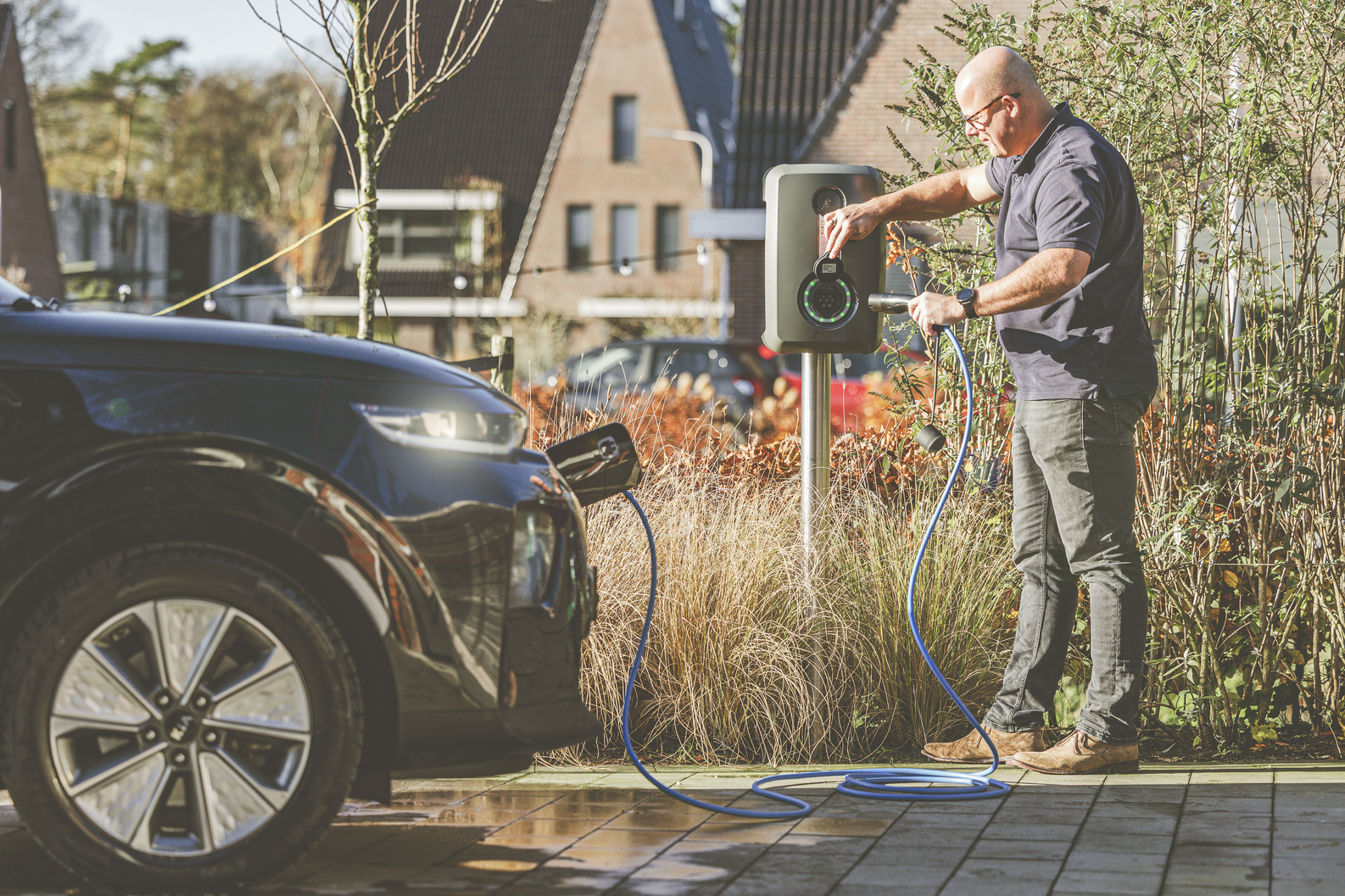
For home charging, Type 2 connectors have played a significant role in advancing solutions, providing reliable and efficient options for overnight charging. Installing a home charging station with a Type 2 connector allows EV owners to take advantage of off-peak electricity rates and often comes with smart features for remote monitoring and control.
Benefits and Potential Limitations
The adoption of Type 2 connectors brings numerous benefits for electric vehicle owners in the UK, including widespread compatibility, faster and more efficient charging experiences, and a sense of community among EV owners. However, there are also potential limitations to consider. These include the reliance on AC power, which can result in longer charging times compared to DC fast chargers, the risk of limiting innovation in charging technology, and the need for continued infrastructure investment and maintenance.
Current Trends and Evolution of EV Charging in the UK
The landscape of electric vehicle charging in the UK is continuously evolving, with Type 2 connectors playing a central role in shaping it. However, the industry must remain adaptable and open to new technological developments. Emerging technologies such as wireless charging and ultra-fast DC charging offer interesting possibilities for further transforming the EV charging ecosystem. Integrating these innovations with existing Type 2 infrastructure could create a more comprehensive and future-proof solution, ensuring that the UK remains at the forefront of electric mobility.
Collaboration between manufacturers, policymakers, and consumers is essential to driving the next wave of advancements in EV charging. By working together, stakeholders can ensure that the charging infrastructure meets the needs of a growing EV population while aligning with environmental goals and sustainability initiatives. As the EV market continues to expand, the role of Type 2 connectors in facilitating widespread adoption and accessibility remains crucial, paving the way for a more sustainable and efficient electric mobility landscape in the UK.